
Tra-Cal Lab Blog & Resources
Building an Effective Calibration Management Program
A well-designed calibration management program does more than satisfy audit requirements. It protects product quality, reduces operational risk, and ensures measurement confidence across your organization. By establishing strong inventory control, selecting qualified ISO IEC 17025 accredited providers, defining risk-based calibration intervals, and maintaining complete documentation, organizations can build a proactive system that supports compliance, consistency, and long-term operational performance.

How Tra-Cal Helps Clients with Laboratory Calibration Services
Tra-Cal delivers laboratory calibration services that keep critical equipment accurate, compliant, and audit-ready. From temperature devices to chromatography systems, we provide NIST-traceable calibration, complete documentation, and strategic support that helps pharmaceutical, biotech, medical device, and research labs operate with confidence in demanding regulatory environments.
Tra-Cal Earns Contractor Performance Assessment Reporting System (CPARS) Recognition Through Execution
Independent CPARS feedback from the NIST CHIPS R&D program reflects Tra-Cal’s commitment to precision, disciplined execution, and collaborative delivery - recognizing performance across quality, schedule, cost control, management, and compliance.
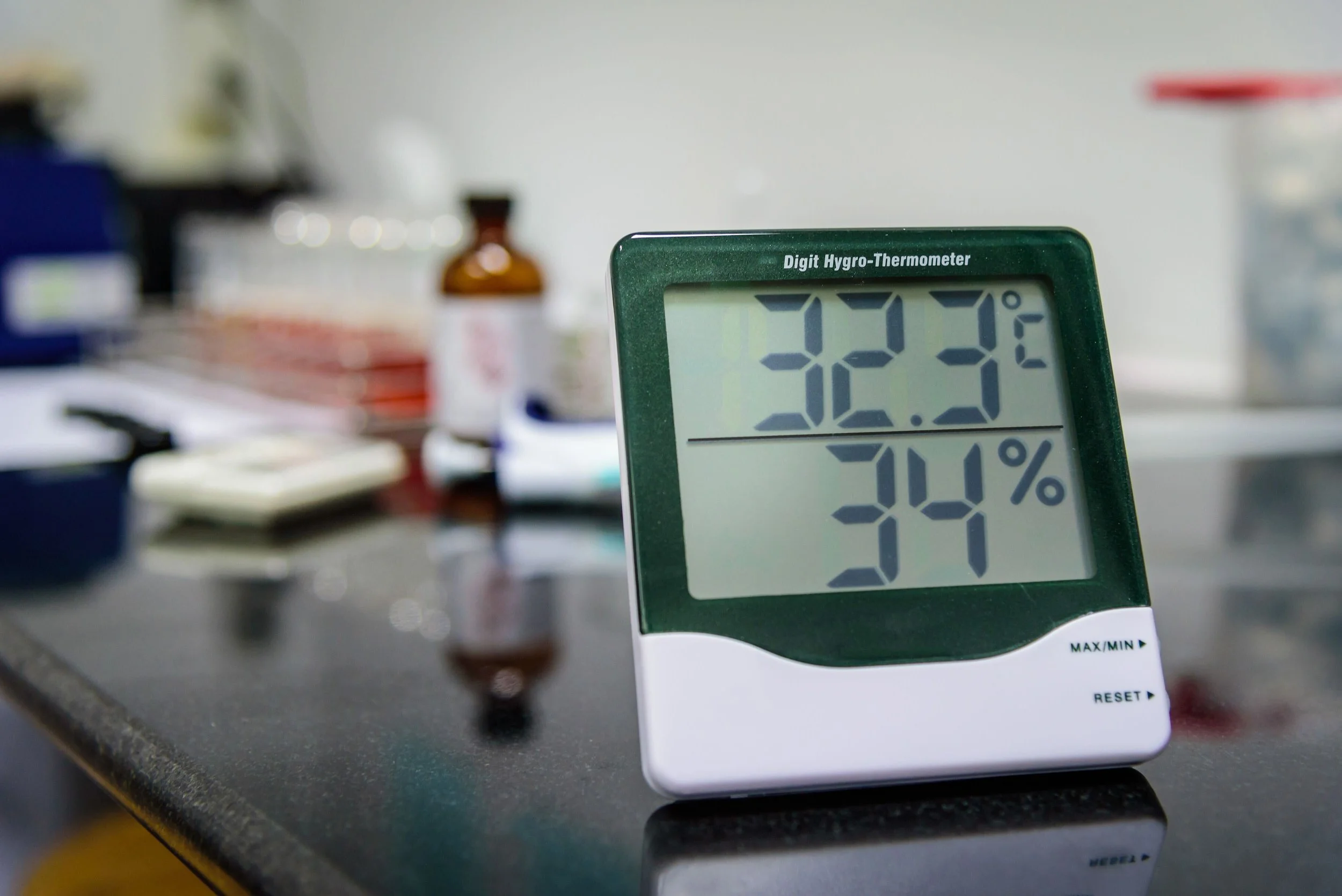
How Temperature & Humidity Impact Your Test Equipment Accuracy
Accuracy in testing and measurement doesn’t depend only on your equipment, but it also depends on the environment your equipment is calibrated in.
What You’re Really Getting: Calibration Vs. Operational Check
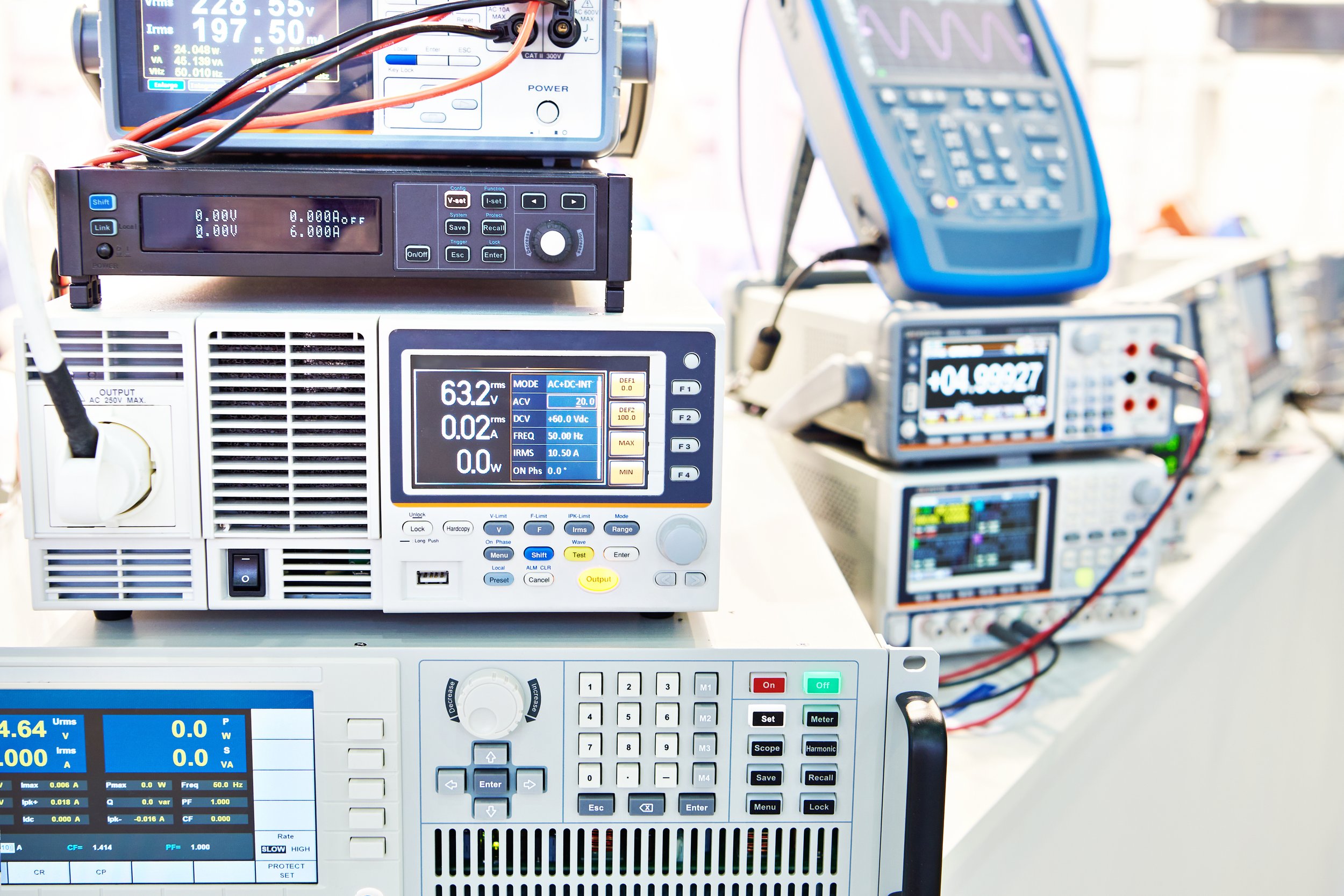
Are you wondering if you’re provider is providing a calibration versus an operational check? This guide shows you the real differences between calibration and operational checks—and why cutting corners can cost you far more in the long run.
What’s the Difference Between Calibration and Verification?
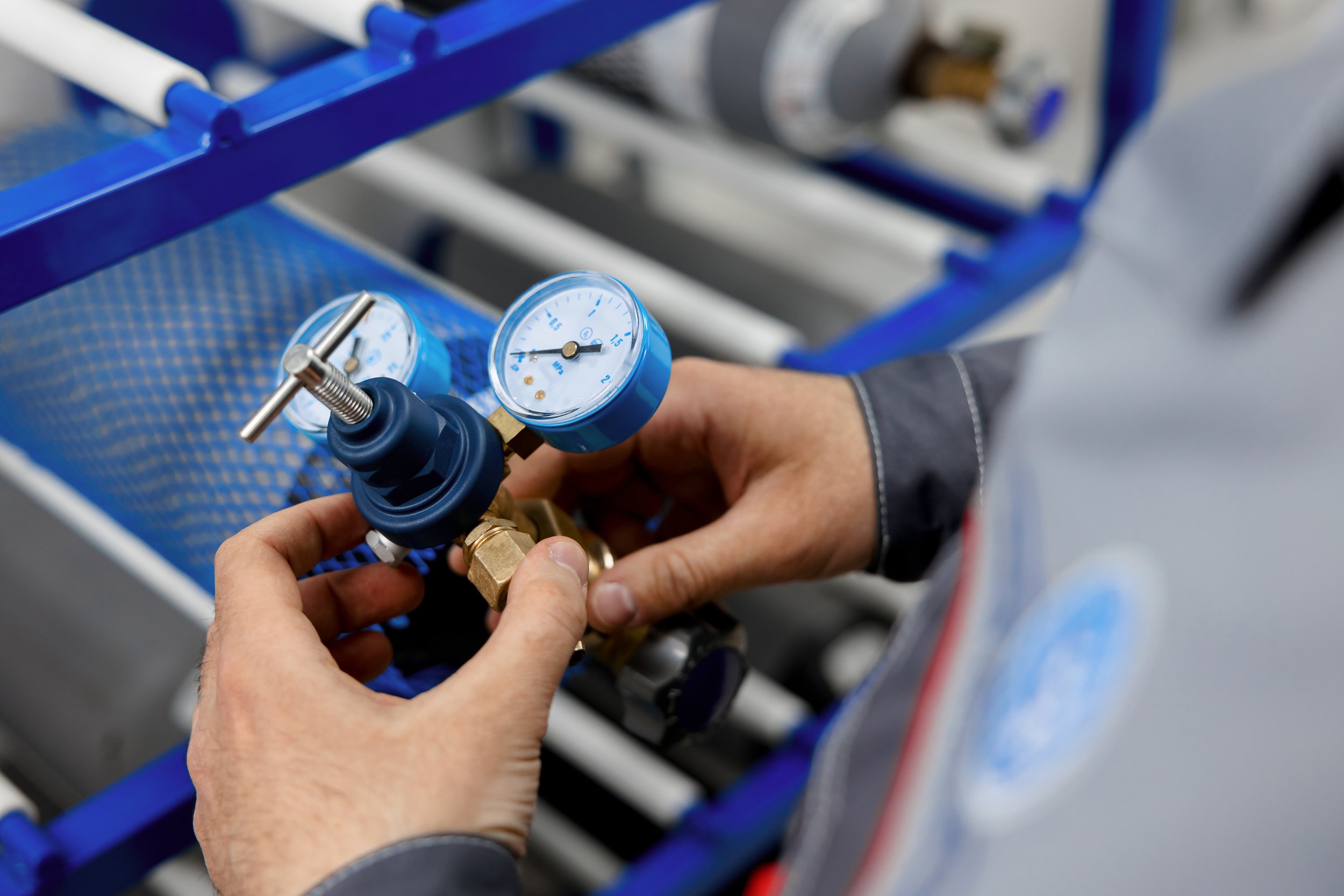
When engineers look for RF calibration services, they often assume they’re getting a full, OEM-level calibration. But many labs only provide a verification or operational check—a much shorter, less rigorous process. This creates hidden risk for RF users working with VNAs, spectrum analyzers, signal generators, and oscilloscopes.
Connector Care: The Hidden Key to RF Accuracy and Equipment Longevity
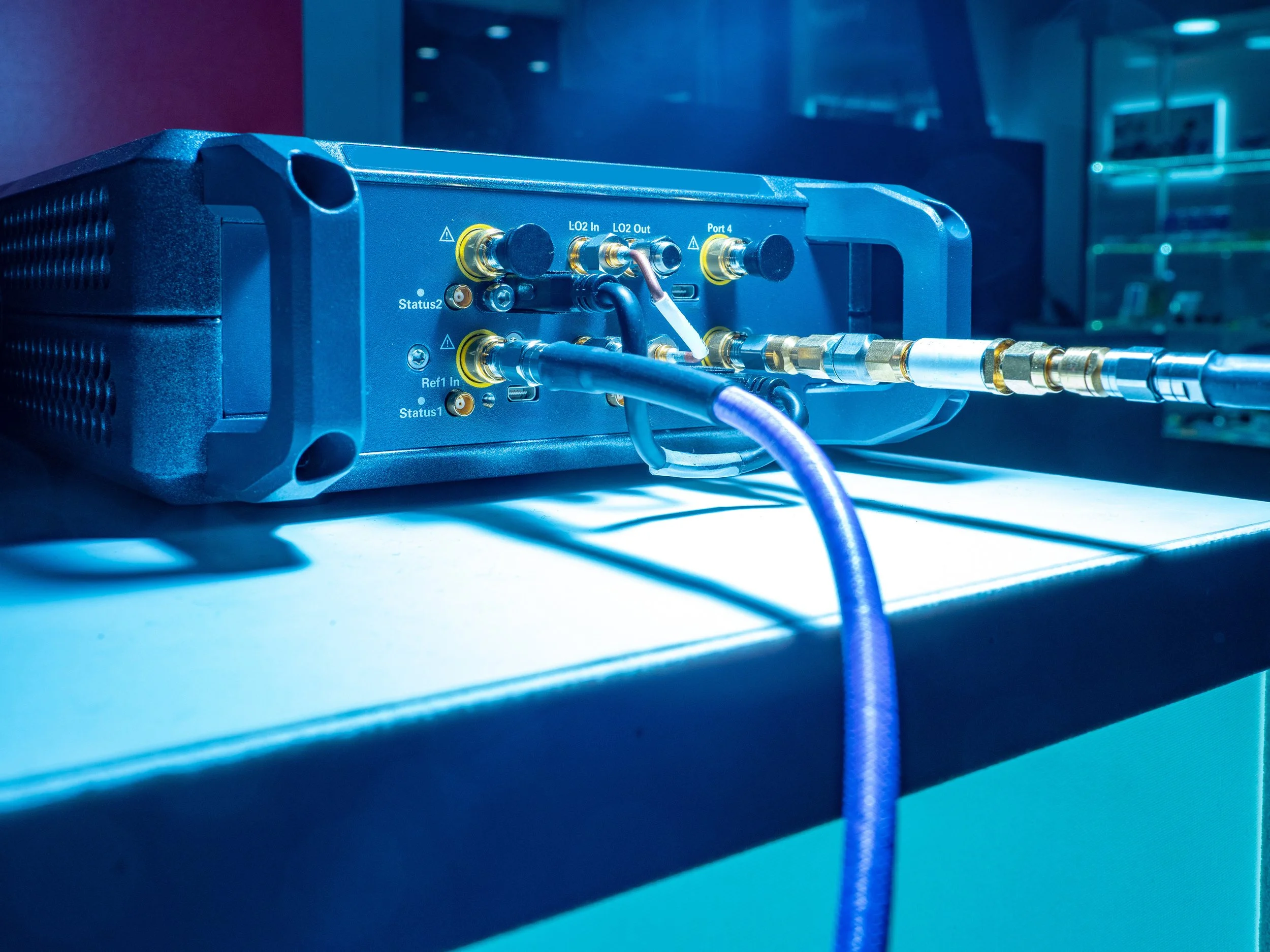
In high-frequency environments—RF manufacturing, aerospace, defense, and telecom—tiny details can cause big problems. One of the most common sources of inaccurate readings and unplanned downtime is also the most overlooked: connector care.
How to Know If Your Calibration Vendor Is High-Quality: A Complete Guide for Engineers and Quality Managers
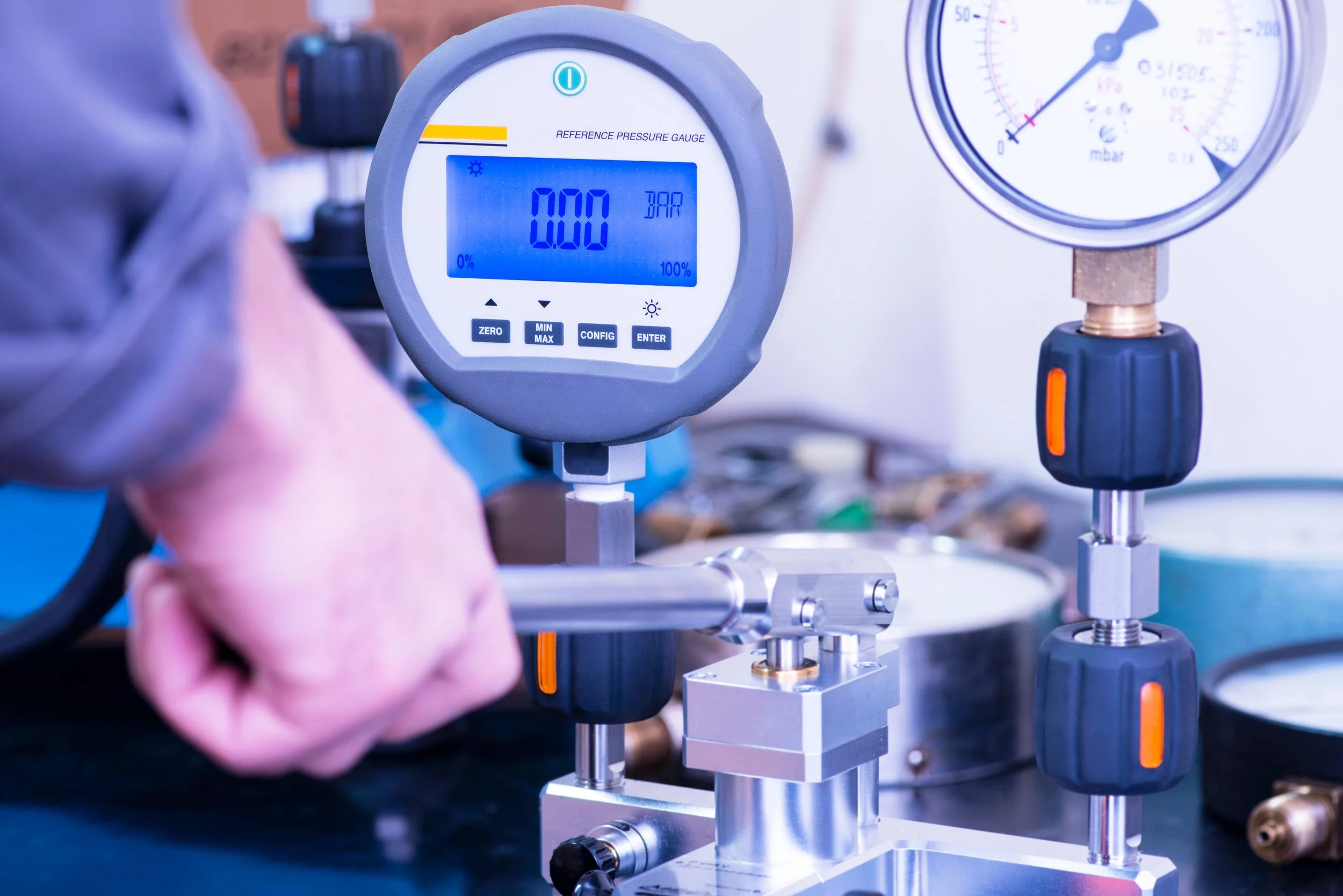
Your calibration provider directly impacts your product quality, compliance, and reputation. Working with a low-quality lab can lead to inaccurate measurements, audit findings, or even costly product recalls.

Tips for Proper Care and Maintenance of RF Test Equipment
Radio frequency (RF) test instruments—such as vector network analyzers (VNAs), spectrum analyzers, and signal generators—are the backbone of precision electronic measurement.

RF & Microwave Calibration Near Naval Air Station Patuxent River
When it comes to aerospace and defense, precision is paramount. Naval Air Station Patuxent River (NAS PAX River) serves as a hub of innovation and excellence in naval aviation. To ensure the reliability and accuracy of RF and microwave test and measurement equipment vital to mission success, organizations near NAS Patuxent River turn to Tra-Cal, a trusted Veteran owned ISO 17025 calibration lab with a rich history of serving the aerospace and defense industry.

The Importance of Calibration for Non-Destructive Testing (NDT) Equipment
Tra-Cal provides ISO/IEC 17025-accredited calibration for RF, electronic, and physical NDT equipment across every county in Maryland, DC, Virginia, West Virginia, Pennsylvania, New Jersey, North Carolina, and Delaware. Fast turnaround and onsite service available.

Common Calibration Mistakes and How to Avoid Them
Calibration is a critical process for ensuring the accuracy of your test and measurement instruments. However, many businesses make common mistakes that can compromise the reliability of their equipment, leading to costly errors and delays. At Tra-Cal, we’ve seen firsthand how crucial it is to get calibration right, which is why we’ve put together a list of common calibration mistakes and how to avoid them.

What You Need to Know About AMS 2750 and Your Calibration Program
In industries where precision and accuracy are critical—such as aerospace, defense, and manufacturing—ensuring that your equipment is calibrated to the highest standards is not just a best practice, it’s a requirement. One key standard that governs the calibration of thermal processing equipment is AMS 2750, a set of guidelines developed by the Aerospace Industries Association (AIA) that specifies the requirements for the calibration of furnaces, ovens, and other heat treatment equipment.

Why ISO 17025 Accreditation Matters for Calibration Labs
At Tra-Cal, our ISO 17025 accreditation is more than just a certification—it's a promise of reliability, precision, and trust. With ISO 17025, we ensure that the calibration services we provide meet the highest international standards, guaranteeing that your test and measurement instruments operate with the utmost accuracy and compliance.

How to Maintain and Calibrate an Oscilloscope: A Guide from Tra-Cal
In this blog post, we’ll walk you through the essentials of oscilloscope maintenance and calibration, and explain why partnering with an ISO/IEC 17025 accredited calibration lab like Tra-Cal is vital for quality assurance.

How Does Automation Software Actually Work in RF/Microwave Calibration?
Traditionally, calibration was a manual process, requiring significant time and effort from skilled technicians to verify each component of the device. However, with advancements in automation software, calibration has become much more streamlined, offering faster turnaround times and improved consistency.

Cold Storage, Hot Topic: Why Freezer Calibration is Non-Negotiable in Life Sciences
Freezer calibration ensures that storage temperatures remain within the specified range required to preserve the quality and efficacy of sensitive materials. Deviations, even by a few degrees, can render biological samples, vaccines, or drugs ineffective or unsafe.

The Role of Precision Calibration in Telecommunications
From 5G deployments to satellite communications, telecom companies depend on accurate test and measurement equipment to ensure network performance, minimize downtime, and comply with industry standards. But how do you ensure your test equipment is accurate? The answer lies in regular calibration— especially for high-end RF and microwave equipment.

Cost & Turnaround Time to Repair Electronic Test Equipment
Repairs can be a great alternative to buying new test electronic test equipment which is often prohibitively expensive. However, many people are dismayed with the exorbitant repair prices and long turnaround times at OEMs. In this article, we highlight the many factors will determine how much a repair will cost and the turnaround time.

The Critical Importance of Spectrum Analyzer Calibration
Calibration ensures that these instruments perform to their specified standards, providing accurate and reliable data that professionals can trust. This article explores the diverse uses of spectrum analyzers across various industries and underscores the critical importance of regular calibration.
-
Calibration
- Apr 10, 2026 How We Use AI in a Calibration Laboratory Apr 10, 2026
- Mar 29, 2026 What Happens When Calibration Expires? Understanding Out-of-Tolerance Risk Mar 29, 2026
- Mar 18, 2026 The Real Price of Low-Cost Calibration Mar 18, 2026
- Mar 13, 2026 Power and Energy Calibration: Protecting Grid Reliability and Revenue Mar 13, 2026
- Mar 5, 2026 Why Accredited Calibration Labs Are Critical to Quality Assurance and Compliance Mar 5, 2026
- Mar 2, 2026 The Role of Calibration in Regulatory Compliance: FDA, ISO 9001, and AS9100 Mar 2, 2026
- Feb 18, 2026 How to Choose the Right Calibration Interval for Your Instruments Feb 18, 2026
- Feb 12, 2026 Building an Effective Calibration Management Program Feb 12, 2026
- Jan 29, 2026 How Tra-Cal Helps Clients with Laboratory Calibration Services Jan 29, 2026
- Jan 9, 2026 Tra-Cal Earns Contractor Performance Assessment Reporting System (CPARS) Recognition Through Execution Jan 9, 2026
- Dec 19, 2025 How Temperature & Humidity Impact Your Test Equipment Accuracy Dec 19, 2025
- Dec 9, 2025 What You’re Really Getting: Calibration Vs. Operational Check Dec 9, 2025
- Nov 24, 2025 What’s the Difference Between Calibration and Verification? Nov 24, 2025
- Nov 13, 2025 Connector Care: The Hidden Key to RF Accuracy and Equipment Longevity Nov 13, 2025
- Oct 21, 2025 How to Know If Your Calibration Vendor Is High-Quality: A Complete Guide for Engineers and Quality Managers Oct 21, 2025
- Sep 9, 2025 Tips for Proper Care and Maintenance of RF Test Equipment Sep 9, 2025
- Sep 9, 2025 RF & Microwave Calibration Near Naval Air Station Patuxent River Sep 9, 2025
- Aug 13, 2025 The Importance of Calibration for Non-Destructive Testing (NDT) Equipment Aug 13, 2025
- Jul 8, 2025 Common Calibration Mistakes and How to Avoid Them Jul 8, 2025
- May 19, 2025 What You Need to Know About AMS 2750 and Your Calibration Program May 19, 2025
- May 9, 2025 Why ISO 17025 Accreditation Matters for Calibration Labs May 9, 2025
- Apr 22, 2025 How to Maintain and Calibrate an Oscilloscope: A Guide from Tra-Cal Apr 22, 2025
- Jan 24, 2025 How Does Automation Software Actually Work in RF/Microwave Calibration? Jan 24, 2025
- Dec 10, 2024 Cold Storage, Hot Topic: Why Freezer Calibration is Non-Negotiable in Life Sciences Dec 10, 2024
- Sep 20, 2024 The Role of Precision Calibration in Telecommunications Sep 20, 2024
- Sep 13, 2024 Cost & Turnaround Time to Repair Electronic Test Equipment Sep 13, 2024
- Jun 6, 2024 The Critical Importance of Spectrum Analyzer Calibration Jun 6, 2024
- Apr 18, 2024 Calibration Made Easy: 7 Questions for Choosing the Right Lab for Test & Measurement Equipment Apr 18, 2024
- May 10, 2022 Infrared Thermometer Calibration Services May 10, 2022
- Jul 27, 2020 Tips for Preventing Unnecessary Repairs on Your Signal Generator Jul 27, 2020
- Oct 30, 2019 Tra-Cal Lab's New Calibration Services - Copper Mountain Test Equipment Oct 30, 2019
- Jun 7, 2019 New Services Tra-Cal Lab: Optical Calibration Jun 7, 2019
- Jan 30, 2018 The Weakest Link? Tips and Tests for Cable and Connector Care Jan 30, 2018
- Dec 20, 2017 Tips for Preventing Unnecessary Repairs of Your Spectrum Analyzer Dec 20, 2017
- Nov 27, 2017 Care and Maintenance of Calipers Nov 27, 2017
- Aug 14, 2017 Proper Care of Torque Wrenches and Screwdrivers Aug 14, 2017
-
Keysight
- Mar 17, 2020 Keysight’s New Signal Analyzers Offer Excellent Phase Noise Performance Mar 17, 2020
-
NSCA & Tra-Cal
- Jul 27, 2020 Tips for Preventing Unnecessary Repairs on Your Signal Generator Jul 27, 2020
- Jun 7, 2019 New Services Tra-Cal Lab: Optical Calibration Jun 7, 2019
- Dec 20, 2017 Tips for Preventing Unnecessary Repairs of Your Spectrum Analyzer Dec 20, 2017
-
News
- Jun 30, 2021 Tra-Cal Lab Receives Veteran Institute for Procurement Aerospace Certification Jun 30, 2021
- Mar 17, 2020 Keysight’s New Signal Analyzers Offer Excellent Phase Noise Performance Mar 17, 2020
- Oct 30, 2019 Tra-Cal Lab's New Calibration Services - Copper Mountain Test Equipment Oct 30, 2019
-
Repair
- Jul 27, 2020 Tips for Preventing Unnecessary Repairs on Your Signal Generator Jul 27, 2020
- Jan 30, 2018 The Weakest Link? Tips and Tests for Cable and Connector Care Jan 30, 2018
- Dec 20, 2017 Tips for Preventing Unnecessary Repairs of Your Spectrum Analyzer Dec 20, 2017