
What You’re Really Getting: Calibration Vs. Operational Check
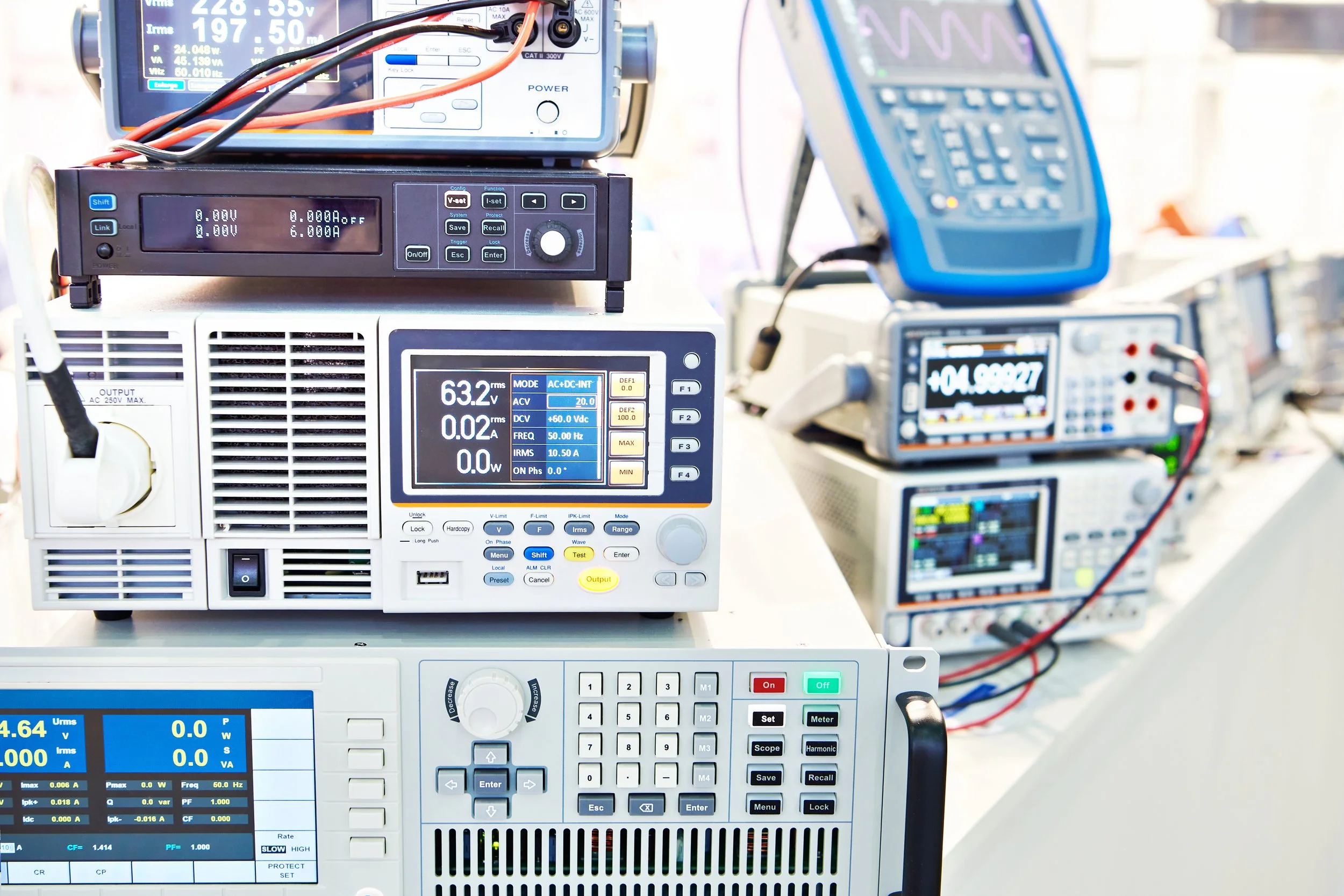
Are you wondering if you’re provider is providing a calibration versus an operational check? This guide shows you the real differences between calibration and operational checks—and why cutting corners can cost you far more in the long run.
Instrument - Network Analyzer
Purpose
Calibration: Establish traceability, adjust instrument to meet manufacturer specs, verify full performance.
Operational Check: Confirm the instrument is functioning acceptably for use today, without full spec validation. No measurements taken.
Scope
Calibration: Comprehensive — all accuracy parameters, frequency ranges, receivers, source power, linearity, noise floor, stability, internal reference standards.
Operational Check: Limited — basic functionality, quick verification of critical measurements. No accuracy requirements apply.
Adjustments Made?
Calibration: Yes — software & hardware adjustments performed if results deviate from spec.
Operational Check: No — only observations. If it fails, escalate to calibration or repair.
Traceability
Calibration: Full NIST traceable certificate.
Operational Check: No traceability.
Time Required
Calibration: 3–8 hours depending on model and calibration level (longer if adjustments are needed).
Operational Check: 15–30 minutes (quick confidence check).
Cost
Calibration: High —price depends on model, calibration level, frequency range etc.
Operational Check: Low — 15–30 minutes of tech time.
Risk
Calibration: Low — Ensures trust in the instrument’s readings and compliance with audit requirements.
Operational Check: High — measurements may not be within manufacturer specs, & drift outside specification and invalidate results, audits, and could lead to recalls.
When Needed
Calibration: Per calibration interval (typically 12 months), after repairs, or when measurement validity is in question.
Operational Check: Before important measurements, after moving the instrument, or after environmental changes.
Don’t risk costly errors by cutting corners with an operational check when a full calibration is needed. Trust Tra-Cal’s expert calibration services to keep your instruments compliant, precise, and ready for any challenge.